Biology

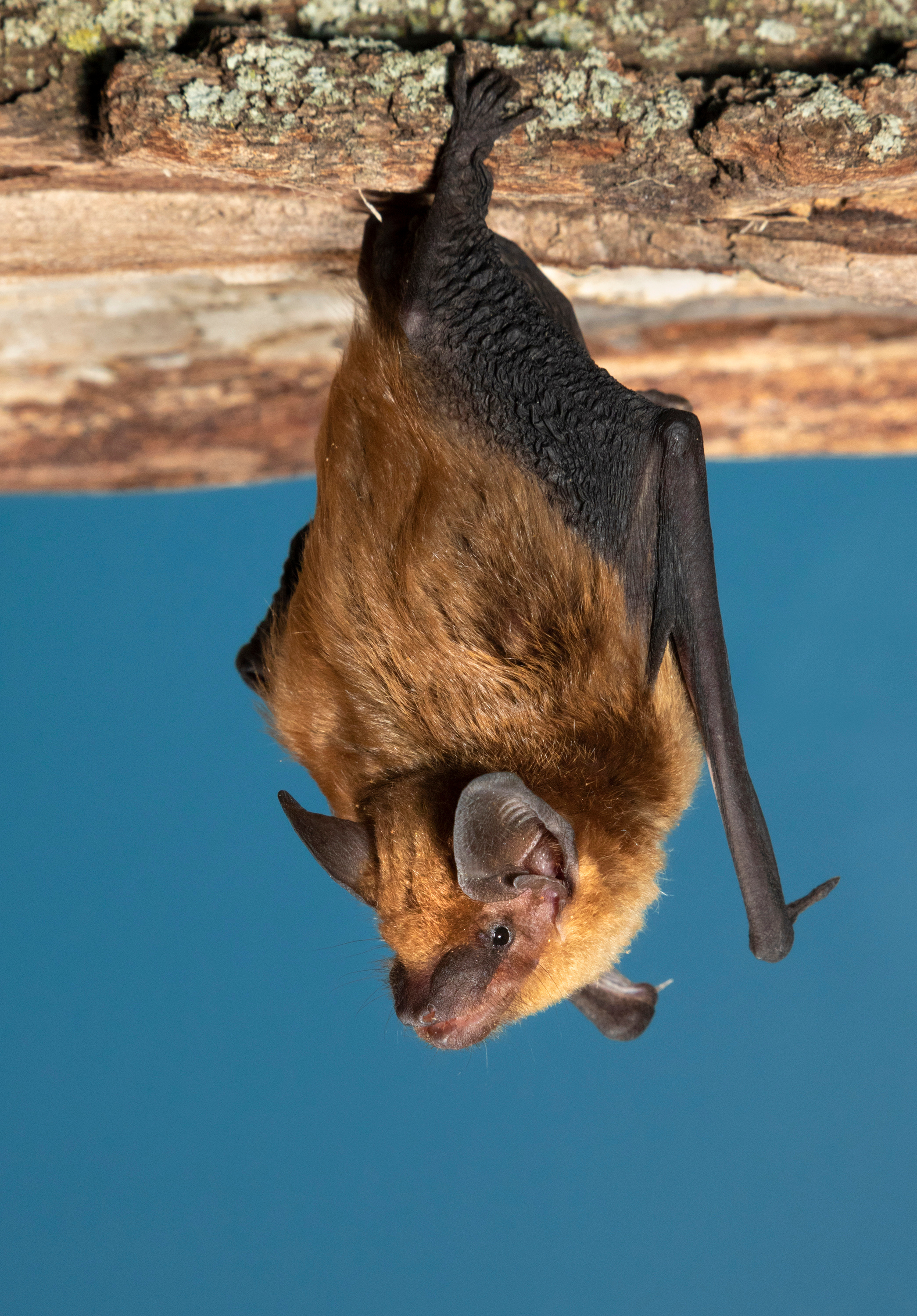
little & Big Brown Bats

Little
Brown Bats

Found through out the United States. A colonial bat commonly found in attics, houses, and caves. Colony size is the largest for bats found in this area with numbers reaching 1,000 or more bats. The bats leave the house, attic, or roosting area at dusk to forage and returns at daybreak. This bat feeds on small insects while flying near water or wooded areas. Little brown bats usually has one young per year and can live for 20 or more years. American Animal Control specializes in bat removal from attics, houses, and buildings using a non chemical bat removal method.

Big
Brown Bats

Found through out North America and commonly found in attics, houses, buildings, caves, tunnels, and hollow trees. Commonly overwinters in houses and attics unlike the Little Brown Bat that generally migrates to caves in the winter. Colony sizes are usually small numbering; less than 100. The bats leave the attic or house at dusk and return to roost at daybreak. Feeds on the wing, usually on beetles and moths. American Animal Control specializes in bat removal from attics, houses, buildings using a non chemical bat removal method.

General Bat Biology

Mating

Fall and winter with the female carrying the sperm in utero until spring when ovulation and fertilization occurs. Bats are born in May through July. 

Hibernation

Bats prepare for winter when the first frost occurs. Little & Big Brown species migrate short distances. Bats in the northern United States go into a semi-dormant hibernation from September through May.

Endangerment

While bats can live up to 20 years, a startling number of bats are dying from pesticides, and insects containing pesticides, disturbed maternity roosts and hibernation areas by human activity, sealing/flooding of mineshafts, and forestry elimination. 

Habitat

They live in buildings, trees and caves as well as under rocks and wood piles. They feed on mostly small insects and forage over bodies of water or in the woodlands nearby water. 

Diseases

The 2 most common diseases spread to humans by bats is Rabies and Histoplasmosis. Bat-to-bat diseases include the White-Nose Syndrome, a fungus that can kill 100% bats in a colony in hibernation. 

Damages

Bats can gnaw on wood to gain entry into buildings. Bat dropping and urine can degrade roofing materials which cause leaks and odor issues. Health risks are also damaging to human and bird populations. Typically, after August is the best time to get rid of bats to ensure that flightless young are not left behind in a dwelling. 
Got a bat problem??

  • Call 715-749-9024
  • info@americanpestsolutions-mnwi.com
  • 107 Packer Drive
    Roberts, WI 54023
Follow Us

Got a Bat?
Call APS Stat!

© 2025 Copyrights American Pest Solutions